
Description
BI applications are undoubtedly one of the major consumers of a data warehouse. Nevertheless, the prospect of accessing data using standard SQL is appealing to many more stakeholders than just the data analysts. We’ve heard from customers that they experience an increasing demand to provide access to data in their lakehouse platforms from external applications beyond BI, such as e-commerce platforms, CRM systems, SaaS applications, or custom data applications developed in-house. These applications require an “always on” experience, which makes Databricks SQL Serverless a great fit. In this session, we give an overview of the approaches available to application developers to connect to Databricks SQL and create modern data applications tailored to needs of users across an entire organization. We discuss when to choose one of the Databricks native client libraries for languages such as Python, Go, or node.js and when to use the SQL Statement Execution API, the newest addition to the toolset. We also explain when ODBC and JDBC might not be the best for the task and when they are your best friends. Live demos are included. Talk by: Adriana Ispas and Chris Stevens Connect with us: We…
Description from YouTube. Full content on the video page.
More from Databricks
 News
NewsHow AI and Data Keep 2.3 Million Lawns Healthy | TruGreen & Databricks
TruGreen uses Databricks Genie and Lakehouse to manage 2.3 million lawns with AI that optimizes service timing and predicts customer churn using weather, soil, and service data. The system enables non-technical branch managers to take daily actions through customized reports without requiring data expertise.
 News
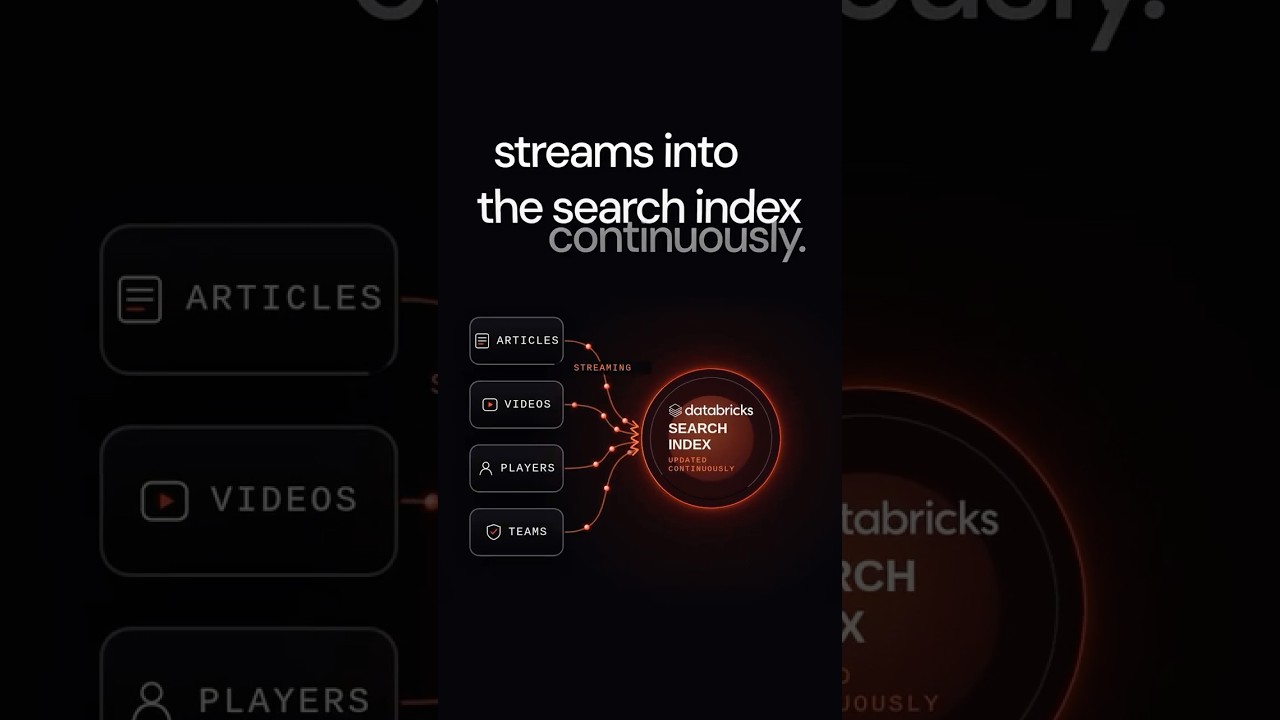
NewsHow FOX Sports Uses AI to Power Search
Fox Sports rebuilt their search system on Databricks to handle rapidly changing sports information by continuously streaming player, team, and content data into the index while computing real-time trends. The system uses semantic vector search with time-weighted ranking to surface fresh content higher, doubling the rate at which users find what they're looking for.
 News
NewsHow AI Helps Match Doctors With Communities in Need | Databricks for Good
Databricks provides pro bono services and compute discounts to help nonprofits stay lean through its Databricks for Good program. The video demonstrates the Virtue Foundation agent, which uses Genie and interactive hex maps to identify underserved populations and medical facility distribution in Kenya.
 News
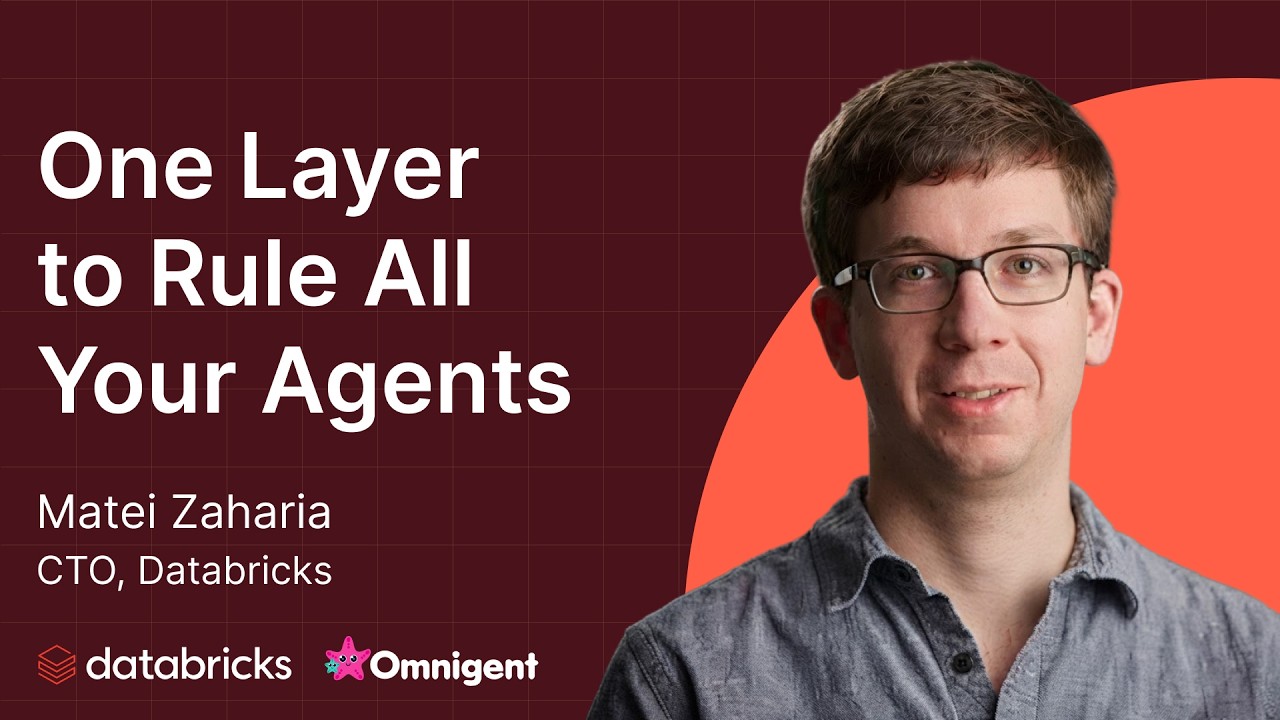
NewsOmnigent: Open-Source Meta-Harness for AI Agents | Matei Zaharia
Omnigen is an open-source meta-harness developed by Databricks that acts as an orchestration and control layer to wrap, manage, and combine multiple AI coding agents. The platform introduces contextual security policies, cost controls, multi-agent task routing, and sandbox integrations to enable collaborative workflows and centralized governance.
 News
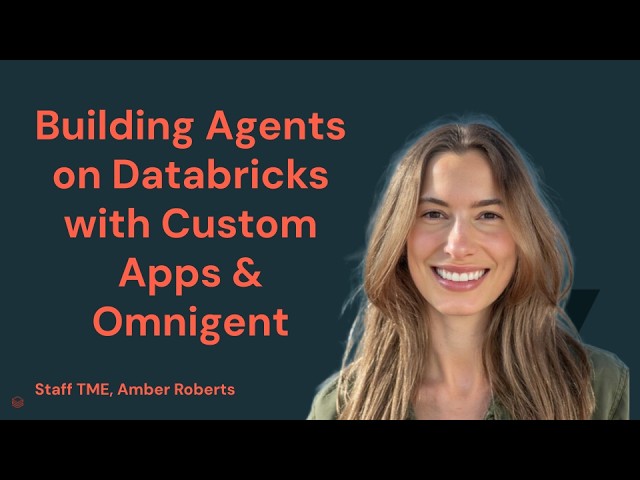
NewsBuilding Agents on Databricks with Custom Apps and Omnigent
This video demonstrates how to build, update, and govern custom AI agents on Databricks using Agent Bricks, Databricks Apps, and Omnigent. The tutorial shows how to integrate Model Context Protocol servers, track execution with MLflow traces, schedule automated agent tasks, and manage security policies through Unity AI Gateway.
 News
NewsGoverning AI Strategy with Unity AI Gateway
The Unity AI gateway provides centralized monitoring, cost tracking, and governance for enterprise AI models, MCP servers, and coding agents. Administrators can use the platform to set budget limits, configure external providers, and enforce input policies that block personally identifiable information.